
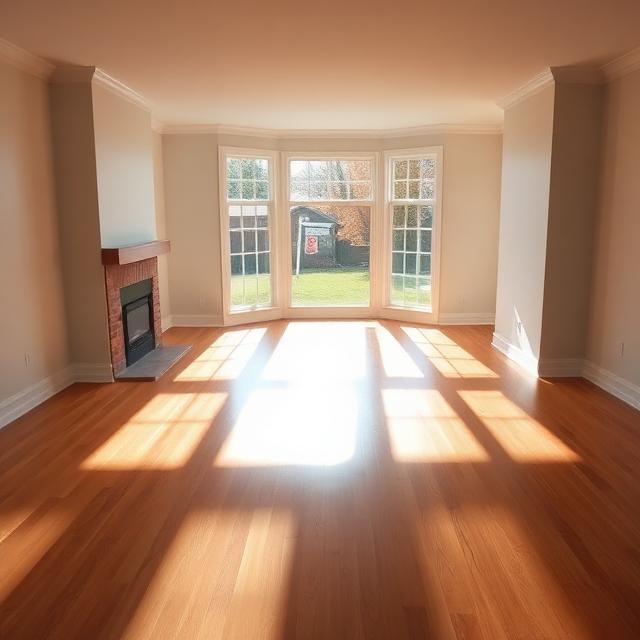
Leaving a real estate asset unoccupied creates a coverage gap. Standard homeowners policies contain a “Vacancy Clause” which voids coverage if a property remains uninhabited for more than 30 or 60 days.
To prevent claim denial, property owners must purchase Vacant Home Insurance. This specialized policy restores protection against perils like vandalism, fire, and liability during vacancy periods.
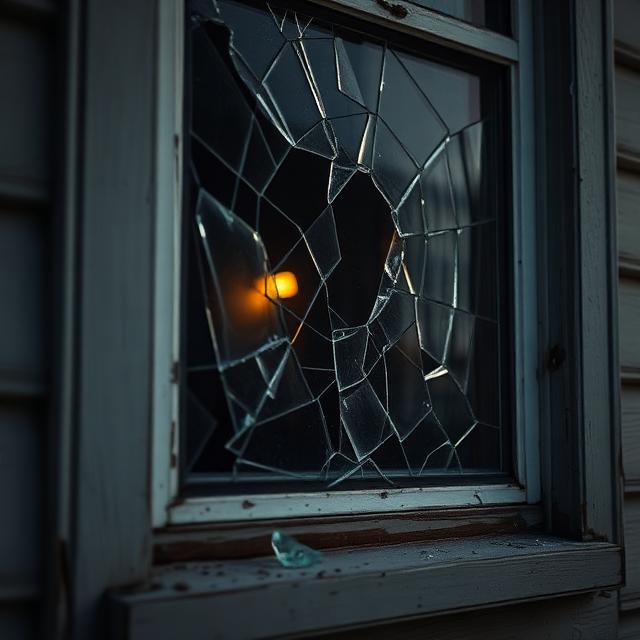
Vacant vs. Unoccupied Definitions
- Unoccupied: Furnished but residents are temporarily absent.
- Vacant: The property is devoid of personal property/furniture. Standard carriers exclude coverage for vacant assets.
Who Requires Vacant Coverage?
You should quote vacant property insurance for these risk scenarios:
- Real Estate Sellers: Property is empty while listed on the market.
- Landlords: Coverage gap between lease agreements.
- Probate Estates: Inherited homes sitting empty during probate.
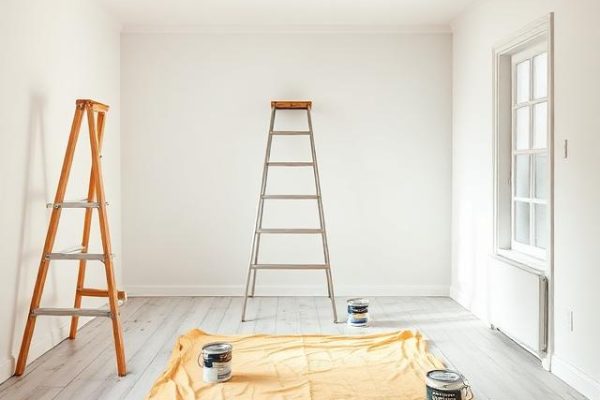
- Property Flippers: Investors renovating a vacant structure for resale.
Policy Coverages & Exclusions
Included Perils:
- Vandalism & Malicious Mischief (VMM): The highest frequency claim for vacant assets.
- Premises Liability: Protection against lawsuits if a trespasser or agent is injured on the property.
- Named Perils: Fire, Windstorm, Hail, Lightning.
Common Exclusion:
Most policies exclude water damage from frozen pipes unless specific heating or winterization warranties are met.

Cost of Vacant Home Insurance
Due to the elevated risk of theft and unmonitored damage, premiums are higher than standard policies.
Rate Analysis:
Expect premiums to be 50% to 60% higher than standard homeowners rates. Costs typically average $70 to $150 per month, often billed on flexible 3-month or 6-month terms.
Frequently Asked Questions
Can I buy a short-term policy?
Yes. Unlike standard insurance which is a 12-month contract, many carriers like Foremost or American Modern offer 3-month, 6-month, or even month-to-month vacant policies.
Does it cover renovations?
A standard vacant policy covers the structure, but if you are doing major structural work (knocking down walls), you might need a Builder’s Risk Policy instead.
- [Internal Link Idea: See when you need Builder’s Risk Insurance for renovations]
What is "Winterization" and why do insurers require it?
Insurers often require vacant homes to be winterized (especially in colder climates) because if the heat stops, pipes burst and cause massive water damage. Proof of winterization (like a plumber’s certificate) is often a condition of the policy.
Will my current insurer cover it?
Maybe. Some major carriers (State Farm, Allstate) can add a “Vacancy Permit” endorsement to your existing policy for a fee. However, if they refuse, you must buy a standalone policy.
Do banks allow vacant home insurance?
Yes, lenders just want to ensure their collateral (the house) is protected. However, you must inform your mortgage lender that the home is vacant. If you do not, you might violate the terms of your mortgage loan. It is best to submit the new insurance policy for their approval.
Don't Risk the Water
An empty house is a vulnerable asset. Don’t assume your old policy protects you once you move out. The risk of a denied claim is too high.
Next Step: Protect your investment from vandals and disaster. Compare vacant home insurance quotes today to find flexible, short-term coverage.
References & Trust Sources: