
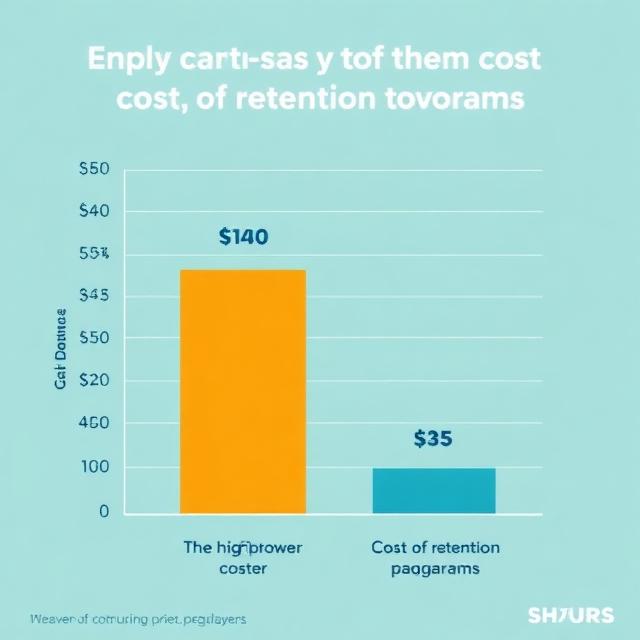
In the current economic landscape, talent is one of the most valuable assets a company possesses. However, retaining that talent is becoming increasingly difficult. According to the Society for Human Resource Management (SHRM), replacing a high-level employee can cost up to 200% of their annual salary when accounting for recruitment, onboarding, and lost productivity. Therefore, mastering employee retention is not merely an HR function; it is a critical financial strategy for long-term business stability.
As stated above, the cost of this turnover is staggering. According to data from Gallup, the cost of replacing an individual employee can range from one-half to two times the employee’s annual salary. This means losing a manager earning $60,000 could cost the business between $30,000 and $120,000 in lost productivity, recruiting fees, and training time.
This guide outlines the root causes of turnover and provides 7 actionable strategies to build a loyal, high-performing workforce.
The True Cost of Turnover

When an employee leaves, the costs are often hidden but substantial. It is not just the expense of listing a job ad; it is the loss of institutional knowledge, the decreased productivity of remaining team members who must pick up the slack, and the time required to train a replacement.
Direct Costs: These include recruiter fees, background checks, and signing bonuses.
Indirect Costs: These are harder to quantify but more dangerous. High turnover creates a “revolving door” culture that disengages high performers who stay. Studies show by Gallup that teams with high turnover see significantly lower client satisfaction scores.
Competitive Compensation and Benefits

While salary is not the only reason employees stay, it is often the reason they leave. If your compensation is below market value, no amount of free snacks or company swag will make up for the financial stress your employees may feel.
Benchmarking: You must conduct regular salary audits to ensure you are paying competitively. Tools like Payscale or Glassdoor can help you see what competitors in your industry are paying for similar roles.
Comprehensive Benefits: In 2024, benefits go beyond health insurance. For example, offering student loan repayment assistance, mental health stipends, and robust 401(k) matching can be a deciding factor for candidates choosing between offers.
Cultivating a Positive Company Culture
People do not leave jobs; they leave bad managers and toxic cultures. Building a culture of retention requires intentionality and consistency from leadership.
Recognition and Feedback: Employees need to feel seen. Implementing peer-to-peer recognition programs and regular one-on-ones between managers and direct reports helps build psychological safety. According to Harvard Business Review, workers who feel their voice is heard are 4.6 times more likely to feel empowered to do their best work.
Diversity, Equity, and Inclusion (DEI): A commitment to DEI is no longer optional. Employees want to work in an environment where they feel they belong and have equal opportunities for advancement.

Career Development and Growth Opportunities
High-performing employees are naturally ambitious. If they see no clear path for advancement within your organization, they will find it elsewhere. Retention strategies must include a “stay interview” asking your top talent what keeps them there and what would make them leave.
- Upskilling: Providing access to online courses, certifications, or tuition reimbursement shows that you are invested in their personal growth.
- Internal Mobility: Prioritize filling open roles with internal candidates. When employees see that the company promotes from within, it creates a sense of loyalty and a clear incentive to perform.
The Role of Flexibility and Work-Life Balance
The post-pandemic world has fundamentally changed the way we view work. Flexibility is now expected, not offered as a perk.
- Hybrid and Remote Options: Where possible, offering hybrid schedules gives employees autonomy over their time.
- Time Off: Encouraging employees to actually use their vacation time is crucial for preventing burnout. In many European countries, mandatory time off is standard, and US companies are increasingly adopting “unlimited PTO” or mandatory disconnect policies to combat the “always-on” culture.
Frequently Asked Questions
What is the difference between retention and turnover?
Think of them as two sides of the same coin. Retention focuses on keeping your best people (keeping the bucket full), while turnover focuses on the people leaving (the hole in the bucket). A high retention rate is good, while a high turnover rate is usually bad.
How often should I conduct employee engagement surveys?
Best practices suggest running a major engagement survey annually, with “pulse” surveys (shorter, 1-2 question surveys) occurring quarterly or monthly. This allows you to track the immediate impact of management changes or new policies on employee sentiment without causing survey fatigue.
What is a "stay interview" and why is it effective?
Unlike an exit interview, which happens when it’s too late, a stay interview is conducted with current high-performing employees. You ask them specifically: “What keeps you working here?” and “What might tempt you to leave?” This proactive strategy helps managers fix issues before the employee decides to quit.
Can I improve retention without giving raises?
Yes. While you must pay a fair wage, raises alone do not guarantee loyalty. For example, offering flexible hours, remote work days, public recognition, and opportunities for professional development often have a higher impact on day-to-day satisfaction than a marginal salary increase.
How does onboarding affect long-term retention?
The first 90 days are critical. A structured onboarding program that sets clear expectations, provides necessary tools, and integrates the new hire into the company culture significantly increases the likelihood they will stay past their first year. According to the Brandon Hall Group, organizations with a strong onboarding process improve new hire retention by 82%.
Retention is a Culture Strategy
There is no silver bullet for retention. It is a holistic approach that combines fair pay, supportive management, growth opportunities, and a genuine respect for work-life balance. By treating retention as a strategic priority rather than a reactive measure, you can build a workforce that is resilient, engaged, and committed to your shared success.
- Next Step: Ready to secure your talent? Compare the top HR management platforms to streamline your engagement and recognition efforts today.