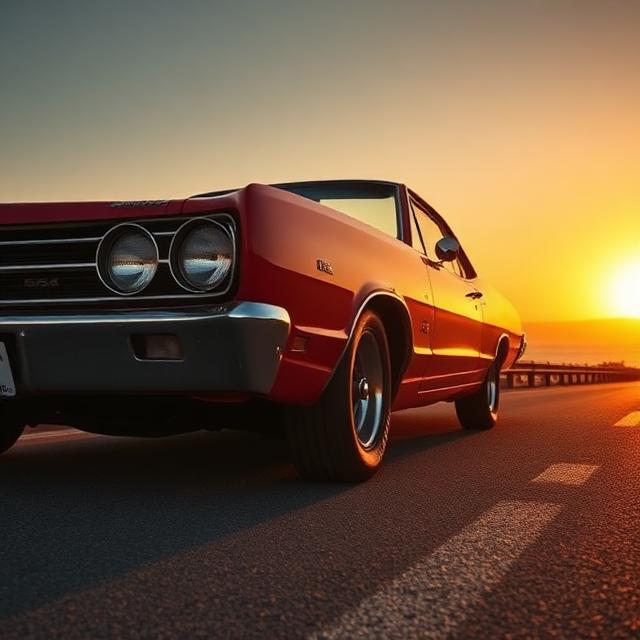
Insuring a vintage or collector vehicle requires specialized financial protection. Classic Car Insurance differs fundamentally from standard auto policies by focusing on asset appreciation rather than depreciation.
The critical distinction is the valuation method. To prevent financial loss in a total claim, you must secure an Agreed Value Policy, not a standard Actual Cash Value policy.
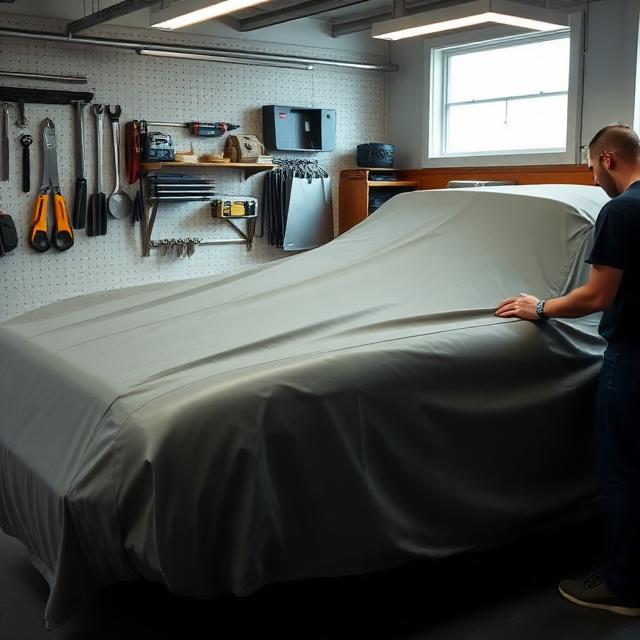
Eligibility for Collector Coverage
To qualify for low-premium collector insurance, the risk profile must meet strict underwriting guidelines:
- Asset Age: Vehicle must typically be 25+ years old (Antique/Classic).
- Usage Restrictions: The vehicle cannot be a “daily driver.” Mileage is often capped.
- Storage Requirement: Insurers mandate storage in a fully enclosed, locked garage facility.
The "Agreed Value" Financial Advantage
- Standard Insurance (ACV): Pays “Book Value” minus depreciation. A $50,000 classic could result in a $5,000 payout.
- Classic Insurance (Agreed Value): The insurer guarantees the full insured amount agreed upon at policy inception. There is no depreciation deduction in a total loss settlement.
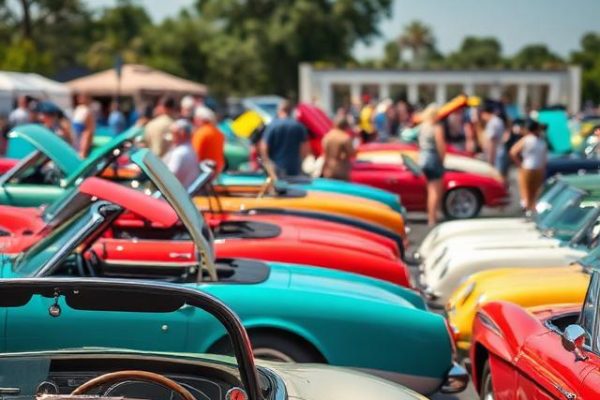
Premium Costs for Collector Cars
Because exposure is limited (low mileage, garage storage), premiums are significantly lower than standard auto rates.
Rate Analysis:
Collector car premiums are often 40% to 70% lower than daily driver policies. Insuring an asset valued at $50,000 can cost less than $300 annually.
Coverage Endorsements
- Restoration Coverage: Protects the asset value while under active restoration or at a shop.
- Spare Parts Coverage: reimburses the cost of hard-to-find replacement components.
Frequently Asked Questions
Can I drive my classic car to work?
Generally, no. Most policies have “Usage Restrictions.” Occasional driving is fine, but if you drive it to work every day, you need a standard policy (which won’t offer Agreed Value). Some carriers offer “Flexible Usage” plans for an extra fee.
Does it cover restoration?
Yes. Many specialized carriers offer Restoration Coverage. This protects your car while it is in pieces at a shop. If the shop burns down or parts are stolen, you are covered.
- [Internal Link Idea: See how Restoration Insurance protects your project car]
What if I can't find replacement parts?
Specialized classic insurers understand this. They often pay for “Spare Parts Coverage” and allow you to use specialist repair shops rather than forcing you to use a generic body shop.
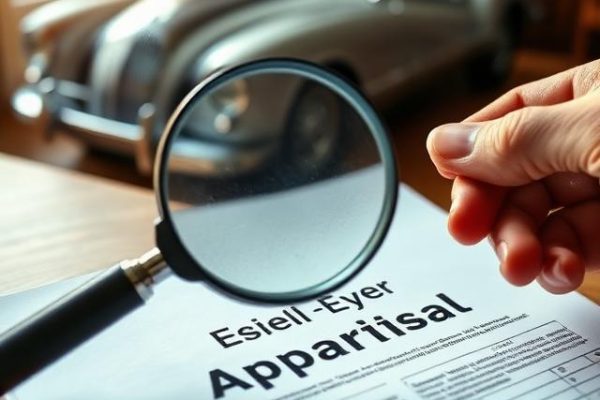
Do I need an appraisal?
Usually, yes. To lock in a high “Agreed Value,” the insurer will want photos and often a professional appraisal to prove the vehicle’s condition and market worth.
Will my classic insurance cover towing?
Yes, most classic car policies include specialized roadside assistance. Unlike standard roadside assistance, this often covers flatbed towing (to avoid damaging the undercarriage) and will transport you and your car to the nearest qualified repair shop, regardless of distance.
Don't Risk the Water
Your classic car is a piece of history, not just a mode of transport. Don’t risk a standard payout on a non-standard asset.
**Next Step:**Protect your investment properly. Compare Agreed Value insurance quotes today to ensure your ride is covered for what it is truly worth.
References & Trust Sources: