

Water is one of the most destructive forces a homeowner can face, yet it is frequently misunderstood in the realm of insurance. Many homeowners assume their standard policy acts as a catch-all for liquid disasters, but this is a dangerous misconception. According to the Federal Emergency Management Agency (FEMA), flooding is the most common and costly natural disaster in the United States. To protect your financial future, understanding the specifics of flood insurance is not just recommended, it is often necessary for survival in high-risk areas.
Is My Homeowners Insurance Enough?
This is the most critical distinction to grasp. While your standard policy (HO-3) likely covers water damage from internal sources like a burst pipe or an overflowing bathtub, it specifically excludes damage from water that comes from the ground up.
-
The Definition: For insurance purposes, a flood is defined as a general and temporary condition where two or more acres of normally dry land or two or more properties are inundated by water or mudflow.
-
The Gap: Without a specific flood insurance policy, you are financially responsible for all damages caused by rising waters. For example, if a river overflows its banks and enters your living room, your standard homeowner’s policy will deny the claim, leaving you to pay for repairs out of pocket.
Understanding Flood Zones and Risk
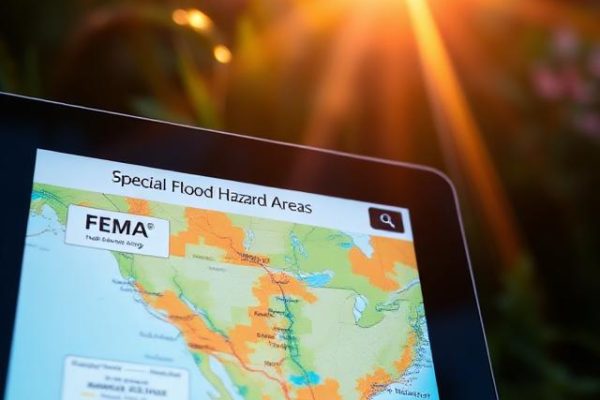
Your risk level and the price you pay is largely determined by where your property sits on FEMA’s Flood Insurance Rate Maps. These maps categorize areas into specific zones based on their probability of flooding.
-
High-Risk Areas (Special Flood Hazard Areas): These zones, often labeled starting with A or V, have a 1% annual chance of flooding. If you have a mortgage in these zones and live in a participating community, your lender will legally require you to carry flood insurance.
-
Moderate-to-Low Risk Areas: These are labeled B, C, or X. While the risk is lower, it is not zero. Studies show by the Insurance Information Institute (III) that approximately 20% of all flood claims come from properties located outside of high-risk zones.

NFIP vs. Private Flood Insurance
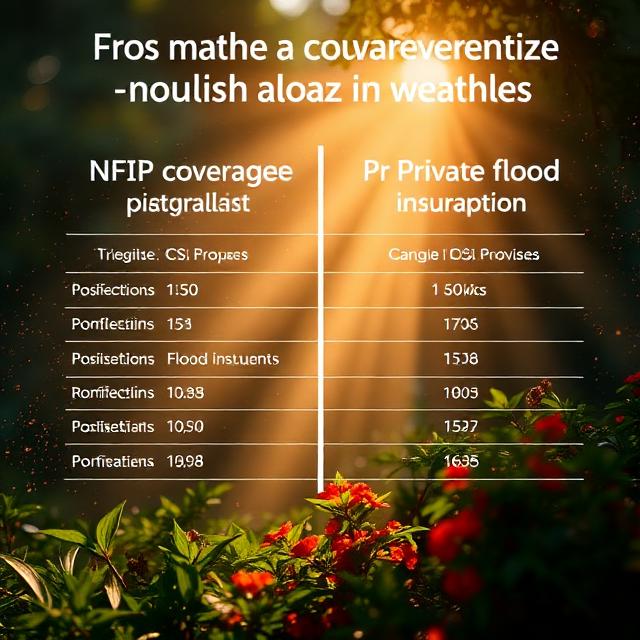
For decades, the National Flood Insurance Program (NFIP) was the primary option for American homeowners. However, the market has evolved, and private flood insurance is now a robust competitor.
The NFIP is a government program that offers coverage regardless of risk status, provided your community participates in floodplain management. It has a cap on coverage limits ($250,000 for the dwelling, $100,000 for contents), which may not be enough for high-value homes.
Private carriers set their own rates based on sophisticated risk modeling. This can sometimes result in lower premiums for homes in low-to-moderate risk areas. Furthermore, private policies often offer “replacement cost” coverage (paying to rebuild brand new), whereas the NFIP typically pays “actual cash value” for basements and contents (deducting for depreciation). These private carriers are often rated for financial strength by agencies like A.M. Best.
The Cost of Waiting: Waiting Periods
Unlike auto insurance, which you can buy immediately after an accident, flood insurance does not work retroactively. In most cases, there is a mandatory 30-day waiting period from the date of purchase before the policy goes into effect.
- Exceptions: The only exceptions to this rule are usually if the insurance is purchased in connection with a mortgage closing, or if the flood map for your area changes and you are buying coverage within a 13-month window.
- Implication: You cannot wait for the weather forecast to predict a hurricane before buying a policy. Proactive purchase is essential.
How Much Does It Cost?
There is no single price tag for flood insurance. Rates are calculated using several variables:
- Elevation Certificate: For high-risk zones, proving that your lowest floor is above the Base Flood Elevation (BFE) can significantly lower your premium.
- Deductibles: You can choose a separate deductible for building property and personal property. Higher deductibles lower your premium but increase your out-of-pocket cost during a claim.
- Design: The cost to rebuild your home and the materials used (brick vs. wood) impact the rate.
Frequently Asked Questions
Does flood insurance cover my basement?
Flood insurance does not cover finished basements (like carpeting, drywall, or furniture) under the NFIP. It does cover essential equipment in the basement, such as furnaces, water heaters, circuit breakers, and foundation walls. However, this area is where Private Flood Insurance often shines, as many private policies offer more generous coverage for below-grade living spaces compared to the federal program.
Can I buy flood insurance if I rent?
Yes, flood insurance is available for renters. Since you don’t own the building, you only need to insure your personal belongings (furniture, clothes, electronics). The NFIP offers contents coverage up to $100,000 for renters, which is often affordable and vital for replacing your life’s possessions after a disaster.
What is the difference between "Replacement Cost" and "Actual Cash Value"?
Most standard NFIP building policies pay Replacement Cost for a primary residence (meaning they pay to rebuild it new). However, NFIP always pays Actual Cash Value for your personal property (contents). For example, if your 5-year-old couch is destroyed by a flood, the NFIP will pay what a used 5-year-old couch is worth, not the price of a new one. Some private policies offer Replacement Cost for contents, which is a major advantage to look for when getting a quote.
Will flood insurance cover damage from a hurricane?
This depends on the cause of the damage. If your roof is blown off by wind, your standard homeowners insurance covers it. If the storm surge floods your home, your flood insurance covers it. Sometimes, both happen simultaneously. According to insurance experts, this is known as “concurrent causation,” and it is crucial to have both types of insurance to be fully protected during a hurricane.
How do I file a flood insurance claim?
After a flood event, you should document the damage with photos and videos before removing any water or debris. You must then call your insurance agent or carrier to file a claim. An adjuster will be assigned to inspect the damage. In the case of the NFIP, you may be required to provide a Proof of Loss form, which is a sworn statement of the amount you are claiming, typically due within 60 days of the flood.
Don't Risk the Water
Whether you choose the government-backed NFIP or a private provider, securing a flood insurance policy is the only way to ensure your home is protected from rising waters. Don’t let the “it won’t happen to me” mentality drown your savings. For example, just one inch of floodwater can cause up to $25,000 in damage. Assess your risk, compare quotes, and secure your policy today.
- Next Step: Check your risk and compare rates instantly. Get a Free Flood Insurance Quote to see how affordable peace of mind can be.